
Tell me why you want to be a Program Manager?
Category: Technical Program Management
Mastering the System Design Interview for Software Development Managers and Technical Program Managers at Amazon
In Amazon’s SDM and TPM interviews, candidates must solve complex business problems with scalable, customer-centric technical solutions. Embracing ambiguity, justifying technical choices, and effective communication are crucial. Efficient time management and practice in presenting ideas within time limits are essential. Mastering these skills is vital for success in the interviews.

Why Product Roadmaps are important?
Product roadmaps are crucial for guiding teams, communicating clearly, and demonstrating commitment to stakeholders and customers. Roadmapping maturity varies from no roadmaps to fully aligned ones. To build successful roadmaps, define the vision, make data-driven decisions, know your audience, select the right roadmap, and tell a compelling story. Integrating roadmaps involves using appropriate tools, involving everyone, sharing progress, and building trust. Avoid myths and adopt best practices to create effective, flexible roadmaps.
Demystifying Load Balancing: Ensuring Smooth Sailing for Your Applications
In the bustling world of modern technology, where millions of users interact with applications simultaneously, the concept of load balancing emerges as a crucial mechanism. […]

- Product Management
- Product Management Interview Questions
- Product Owner Interview Questions
- Program Management
- Project Management
- Project Management Articles
- Project Management Interview Questions
- Technical Program Management
- Technical Program Management - Interview Questions
- TechnicalProgramManagement
Common Mistakes in Daily Scrums: Moving Beyond Stand-ups
The daily scrum is essential for team synchronization in agile development. Common pitfalls include misnaming the meeting, treating it as a project report, and allowing it to become lengthy. To enhance effectiveness, stick to the three questions and address deep discussions later. Embracing inclusivity, brevity, and focused discussion empowers teams for project success.

- Product Management
- Product Management Interview Questions
- Product Owner Interview Questions
- Program Management
- Project Management
- Project Management Articles
- Project Management Interview Questions
- Technical Program Management
- Technical Program Management - Interview Questions
- TechnicalProgramManagement
- TPM Interview Questions
Mastering User Stories: A Guide for Product Managers
User Stories are essential narratives guiding product development. They focus on user needs, with a simple format (WHO, WHAT, WHY) and follow the 3 C’s (Card, Conversation, Confirmation). Adhering to the INVEST criteria ensures value and actionability. Breaking down stories into manageable pieces is crucial. Mastering this art empowers Product Managers for success.
Exploring Monolithic vs. Microservices Architecture: Choosing the Right Approach for Your Project
The discussion explores the differences between monolithic and microservices architecture, each with its advantages and drawbacks. Monolithic architecture offers streamlined development but faces challenges with scaling. In contrast, microservices architecture allows for independent components and enhanced scalability, yet introduces complexities. The choice depends on project nature and scalability needs, balancing agility, and maintainability.
RELEASE TRAIN ENGINEER – LEADERSHIP STYLE
A Release Train Engineer (RTE) in the Scaled Agile Framework (SAFe) must employ various leadership styles, including servant, facilitative, decisive, coaching, systems thinking, collaborative, Lean-Agile mindset, emotional intelligence, continuous improvement, and inspirational leadership to ensure efficient project management and team success. These attributes contribute to a culture of collaboration, continuous improvement, and value delivery in line with SAFe principles.

- Product Management
- Product Management Interview Questions
- Product Owner Interview Questions
- Program Management
- Project Management
- Project Management Articles
- Project Management Interview Questions
- Scrum Master Interview Questions
- Technical Program Management
- Technical Program Management - Interview Questions
- TechnicalProgramManagement
Definition of Ready – Crafting ‘Ready’ User Stories: A Blueprint for Sprint Success
To ensure smooth sprint execution, it’s vital to have “ready” user stories, clear, feasible, and testable. A sample user story for password reset should have acceptance criteria, security measures, scalability, and performance criteria defined. The “Definition of Ready” checklist outlines the necessary criteria for a user story to be considered ready for implementation.
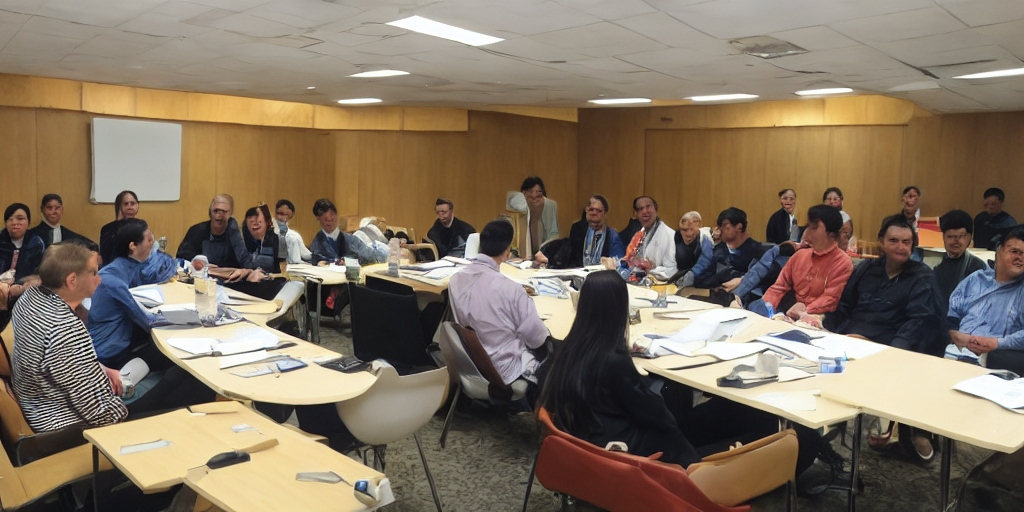
Project Kick Off Meeting
By following these steps, the project kick-off meeting establishes a solid foundation for successful project execution, aligning stakeholders, clarifying objectives, and setting the stage for […]