
Practice converting centimetres (cm) to metres (m) with these multiple-choice questions, including examples with decimal values. This worksheet helps students understand how to divide by 100 when converting centimetres into metres and apply the concept to different types of measurement problems. The questions are designed for upper primary and middle school students to strengthen their understanding of metric unit conversions. Teachers and parents can use this set for classroom practice, homework, quizzes, or revision worksheets. Try solving each question first and then check your answers to improve accuracy and confidence in measurement conversions.
Category: Olympiad Math Class 5
Easy to Hard: Meter to Centimeter Conversion Questions with Answers (Math Practice) – Class 4-7
Practice converting meters to centimeters with this structured set of math questions. The worksheet includes easy, medium, and high-complexity problems to help students gradually improve their understanding of metric unit conversions. Students will learn how to convert meters into centimeters, solve mixed unit problems, and apply the concept to practical word problems. This resource is ideal for Class 4–7 students, teachers, parents, and anyone looking for extra measurement practice. It can be used for homework, classroom exercises, math quizzes, or worksheets. Try solving the questions first and then check the answers to test your understanding of metric measurements.
Data Interpretation Practice: Bar Chart, Tally Chart, Pictograph & Pie Chart Questions for Class 5
Practice data interpretation with Class 5 math questions: bar chart (cars produced 2015–2019), tally chart (favorite fruits), pictograph (ice cream flavors), and pie chart (favorite subjects of 120 students). Includes solved examples and questions to help kids prepare for exams.
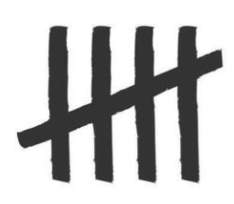
Convert Numbers to Tally Marks and Tally Marks to Numbers | Practice
Learn how to convert numbers into tally marks and tally marks into numbers. Free worksheet examples for 1–30 with answers: 4, 7, 10, 13, 16, 20, 22, 23, 27, 30. Perfect for kids, teachers, and math practice.

Math Fill-in-the-Blanks: Addition, Subtraction, Multiplication & Division Practice (Class 4–6)
Sharpen your math skills with this fill-in-the-blank worksheet covering multiplication, division, addition, and subtraction. Ideal for Class 4 to 6 students preparing for exams or daily practice. Includes missing value problems and direct equations.

Fill in the blanks: Find Dividend, Divisor, Quotient & Remainder (Class 5-7)
Practice division word problems for Class 5, 6 and 7 students. Fill in missing values of dividend, divisor, quotient, or remainder using the division formula. Great for revision and exam prep.
Math Quiz: Data Handling, Averages & Unit Problems (Class 5-7)
The content consists of multiple-choice questions focusing on graph types, speed calculations, average calculations, and basic arithmetic. It tests knowledge of how to represent data visually and solve simple math problems, including determining totals and averages based on contextual scenarios involving transport and items.

Grade 5 – Mathematics: Addition, Subtraction, and Their Applications
The content presents various mathematical problems involving arithmetic operations, profit and loss calculations, and word problems. It includes original questions and similar examples for addition and subtraction, savings calculations, and determining losses from sales of items. The focus is on practical applications of mathematical concepts in everyday scenarios.

CLASS 5 MATHS – PLACE VALUE, ADDITION, SUBTRACTION AND THEIR APPLICATION
The content consists of various mathematical problems and exercises, focusing on number conversions, identifying places in large numbers, profit and loss calculations, rounding numbers, and Roman numeral recognition. It includes multiple-choice questions and similar queries aimed at reinforcing concepts related to numbers and arithmetic operations.

MATHEMATICS GRADE 5 – PRACTICE WORKSHEETADDITION, SUBTRACTION AND THEIR APPLICATIONS
1. Solve the following Original a. 23,56,899 + 4,56,777 – 4,33,231 Similar Questions: Original b. ________ – 87,378 = 9,83,473 Similar Questions: Original c. 7,54,321 […]